Visual Portion Estimation Mechanisms
Exploring how visual perception and contextual cues influence the estimation of food quantities
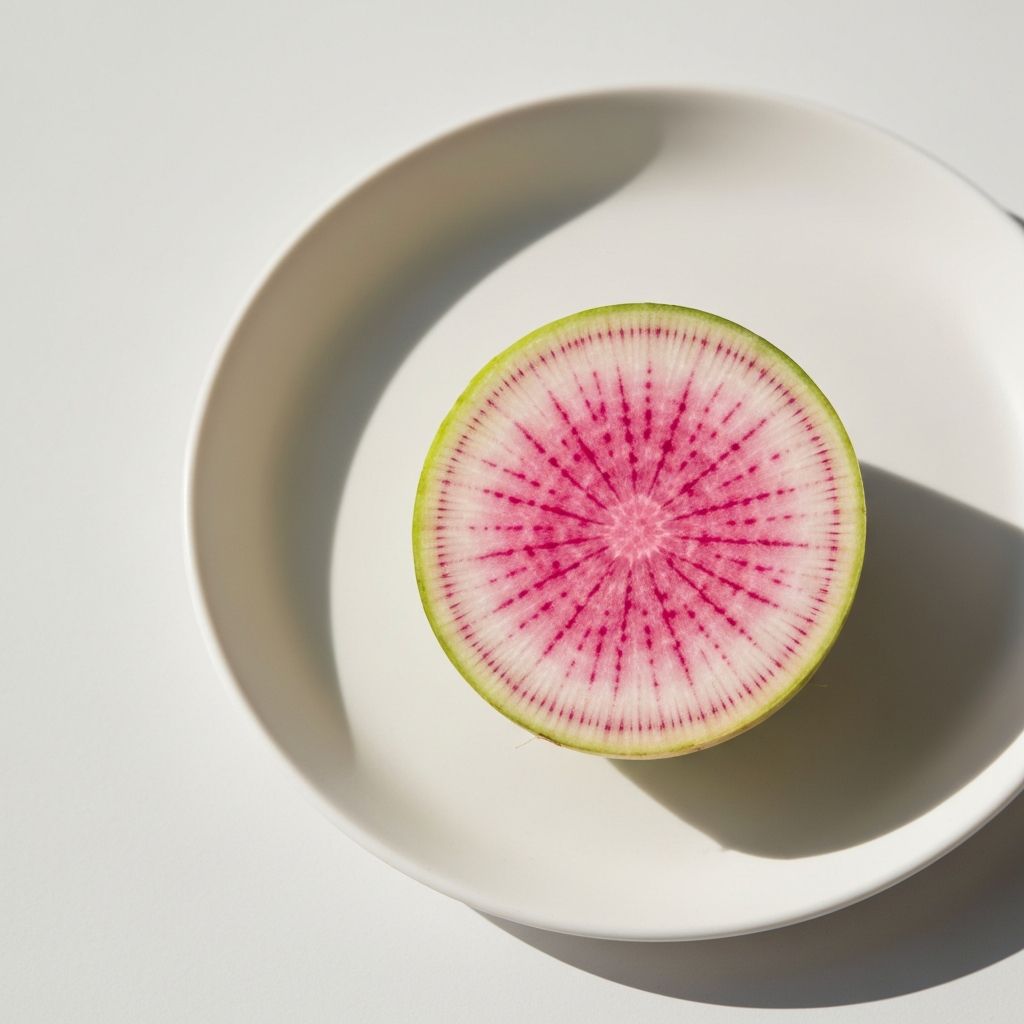
The Role of Visual Estimation in Eating
Visual assessment of food quantity precedes and accompanies eating behaviour. Humans estimate portion sizes using visual information, making rapid judgements about food volume and surface area. These visual estimates influence eating behaviour through expectations about food quantity and satiation. The accuracy and consistency of portion estimation vary considerably among individuals.
Visual portion estimation involves processing information about food volume, arrangement, and density. The brain extracts features from visual images including size, shape, and colour to estimate quantity. These visual processes occur rapidly and largely automatically, generating quantity estimates that guide eating behaviour.
Plate Size and Visual Illusion Effects
The size of plates and serving vessels influences portion perception through visual comparison processes. Identical quantities of food appear larger when presented on smaller plates and smaller when presented on larger plates. This visual illusion emerges from the comparison of food size relative to surrounding container dimensions.
The magnitude of these visual effects varies among individuals and across different eating contexts. Some individuals show substantial changes in perceived portion size with changing plate size, while others show minimal effects. The strength of these visual effects may depend on individual differences in visual processing, attention, or eating-related decision-making.
Food Arrangement and Spatial Distribution
The spatial arrangement of food influences portion perception independently of actual volume. More dispersed food arrangements appear larger than concentrated arrangements of identical volumes. Food scattered across a plate occupies greater visual space and may be perceived as larger quantity than the same food consolidated into a compact arrangement.
Individual food items contribute to perceived quantity through discrete object counting. Plates containing many individual food items may appear to contain greater quantity than plates with fewer items of equivalent volume. The discrete nature of individual food items affects portion perception.
Colour and Food Density Perception
Food colour influences portion perception through associations between colour and food density. Darker foods may be perceived as denser or more substantial than lighter foods of equivalent volume. These colour-density associations emerge from experience with real foods where colour correlates with actual density properties.
Colour contrast between food and serving vessel influences portion perception. High-contrast combinations make food visually prominent and may increase perceived quantity. Low-contrast combinations may make food less visually salient, potentially reducing perceived portion size.
Reference Points and Contextual Comparisons
Portion estimation involves comparison with reference points and contextual information. Standard portions defined by common serving sizes provide reference points for quantity estimation. Exposure to particular portion sizes establishes reference frames affecting how new portions are estimated. Larger portions encountered in a given eating environment raise reference points, potentially affecting estimation of subsequently encountered portions.
Contextual factors including the eating environment, social context, and prior meals influence reference points used for portion estimation. Individuals adapt their reference frames based on recent eating experiences and environmental norms.
Individual Differences in Portion Estimation Accuracy
Substantial individual variation exists in the accuracy of visual portion estimation. Some individuals show high accuracy in estimating food quantities, while others systematically overestimate or underestimate portions. These individual differences show some stability across time and contexts, suggesting individual differences in portion estimation ability.
Factors contributing to individual differences in estimation accuracy include visual perceptual abilities, familiarity with particular foods, prior experience with portion estimation, and individual differences in using visual information for quantity estimation. Age, education, and eating behaviour patterns show associations with portion estimation accuracy.
Experience and Learning Effects
Experience with particular foods and portion sizes improves estimation accuracy. Individuals who frequently encounter and serve specific foods develop more accurate quantity estimates for those foods. Explicit practice in portion estimation can improve accuracy. These learning effects suggest that portion estimation is a trainable skill.
Conversely, reduced experience with particular foods or portion assessment can lead to less accurate estimations. Rapid changes in food environments or portion size norms may outpace individual learning, resulting in estimation inaccuracy.
Neural Processes in Portion Perception
Visual processing of portion information engages multiple brain regions including visual cortex, parietal cortex, and prefrontal regions. The integration of visual quantity information with knowledge about food types and typical portions occurs in frontal and prefrontal regions. These regions connect quantity information with semantic knowledge and experience-based expectations.
Brain regions involved in numerical estimation and magnitude processing contribute to portion estimation. Parietal and prefrontal regions process quantity-related information regardless of sensory modality, contributing to portion estimation from visual information.
Important Context: This article presents educational information about visual portion estimation mechanisms. Understanding perception processes does not provide prescriptive guidance for eating behaviour modification. Individual responses to visual cues vary substantially. This content does not offer personalised recommendations for portion practices. Consult qualified professionals for questions about your own eating patterns and portion considerations.